
Skin barrier monitoring for clinical and research use
Understanding and monitoring the skin’s defense system
The skin barrier plays a crucial role in protecting against environmental stressors and maintaining hydration. Nevisense enables objective, non-invasive assessment of barrier function in both clinical and research settings.
Why Nevisense
-
Objective, quantitative skin barrier assessment
-
Track treatment efficacy and barrier recovery over time
-
Non-invasive, painless and repeatable measurements
Quantitative skin health data
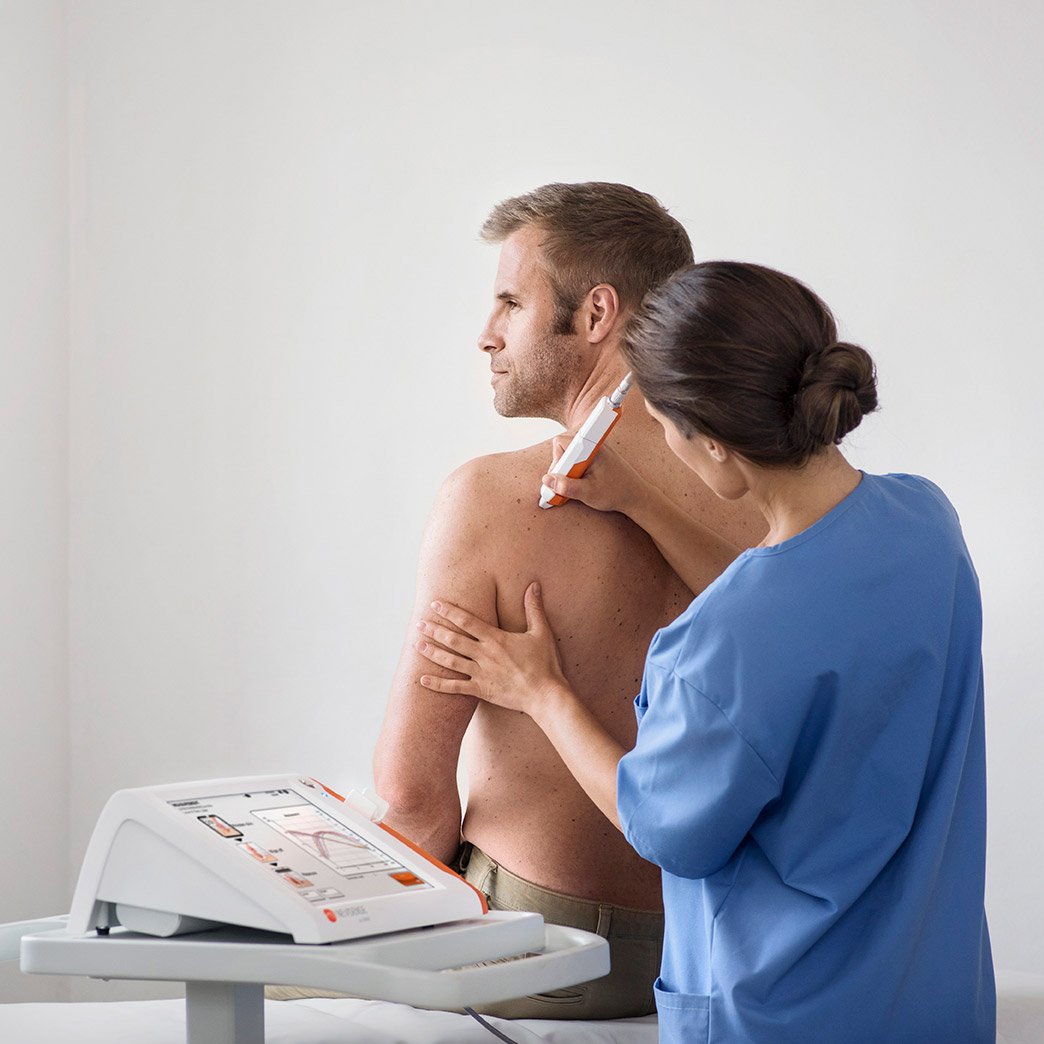
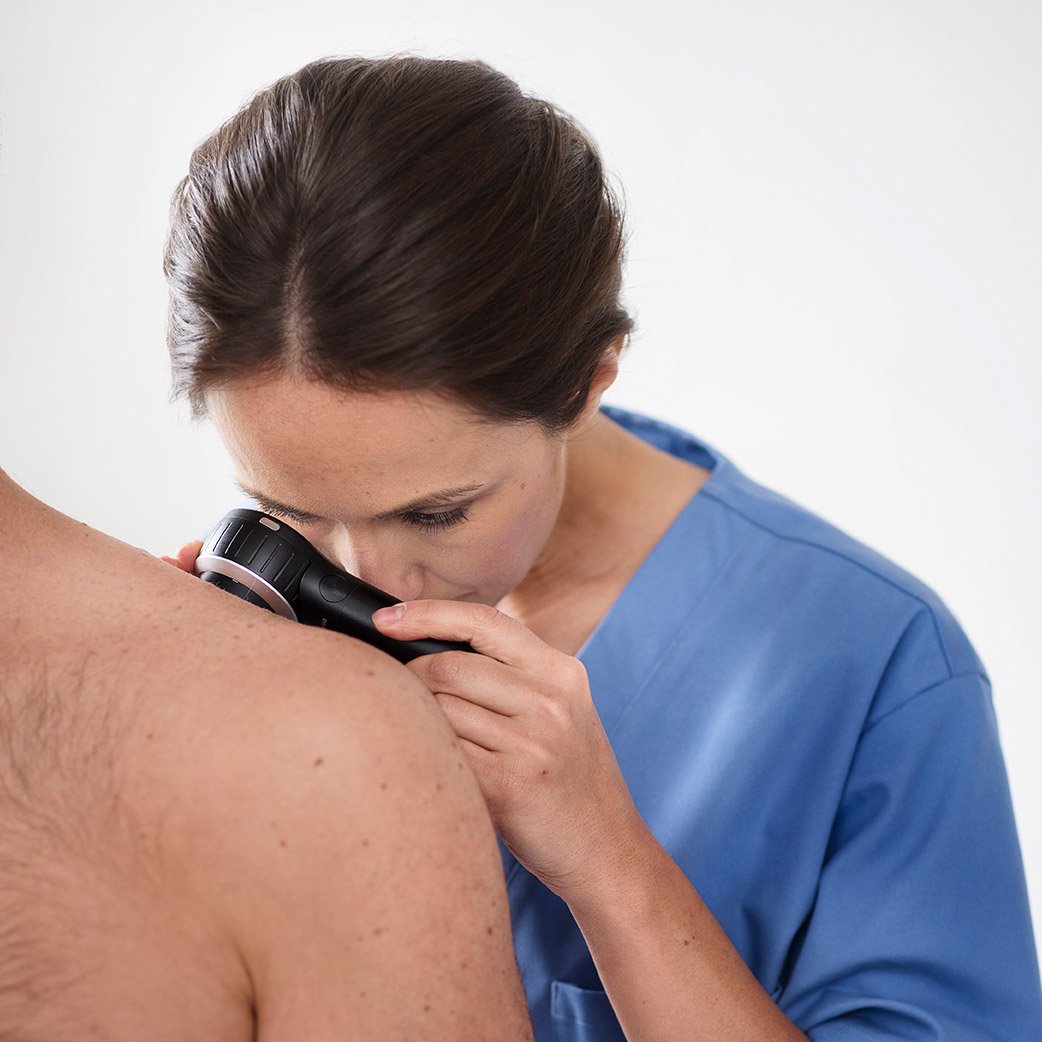
Using EIS, Nevisense detects subtle changes in the skin's structure that correlate with barrier integrity – useful for assessing atopic dermatitis, dry skin and barrier recovery. Tissues resist electrical current differently across frequencies. EIS at clinically relevant frequencies captures key cellular and structural properties of the skin, such as:
• Tissue structure/organization
• Integrity of cell membranes
• Cellular orientation
• Tight junction integrity
• Moisture compartmentalization
• Water loss
• Extracellular composition
• Tissue inflammation
Tracking treatment efficacy
Clinicians and researchers can monitor how therapies impact barrier status over time, enabling better treatment personalization and follow-up. Nevisense has shown potential in multiple barrier related indications and are currently being used within research regarding areas such as:
• Flare prediction
• Diverse severity
• Disease prediction
• Cosmetic testing
• Ex-vivo testing
• Treatment efficacy
A tool for dermatology and allergy care
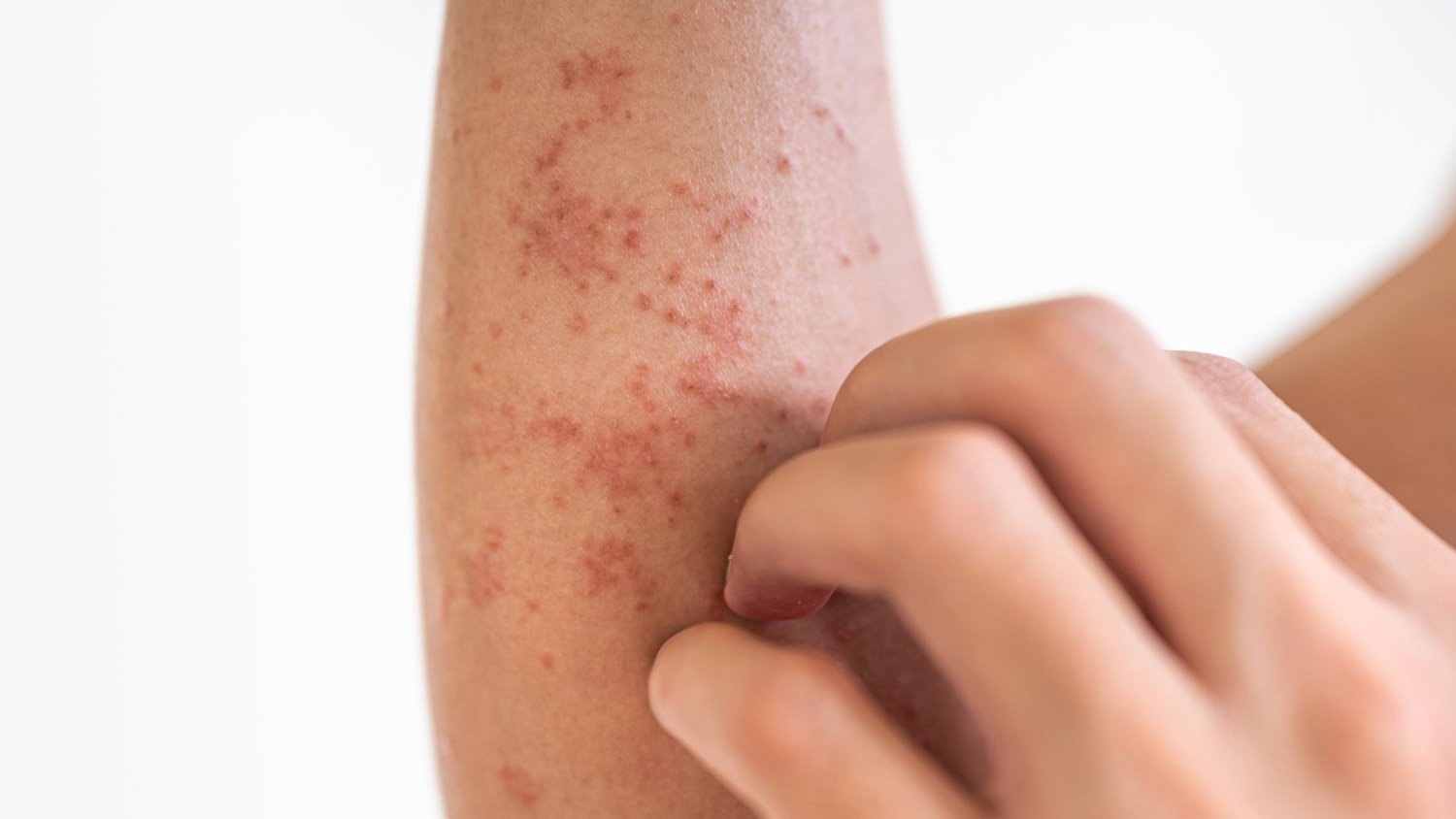
It is used by dermatologists treating chronic skin conditions, allergy specialists studying sensitization and inflammation, and researchers investigating the underlying mechanisms of skin disorders.
Non-invasive and repeatable testing
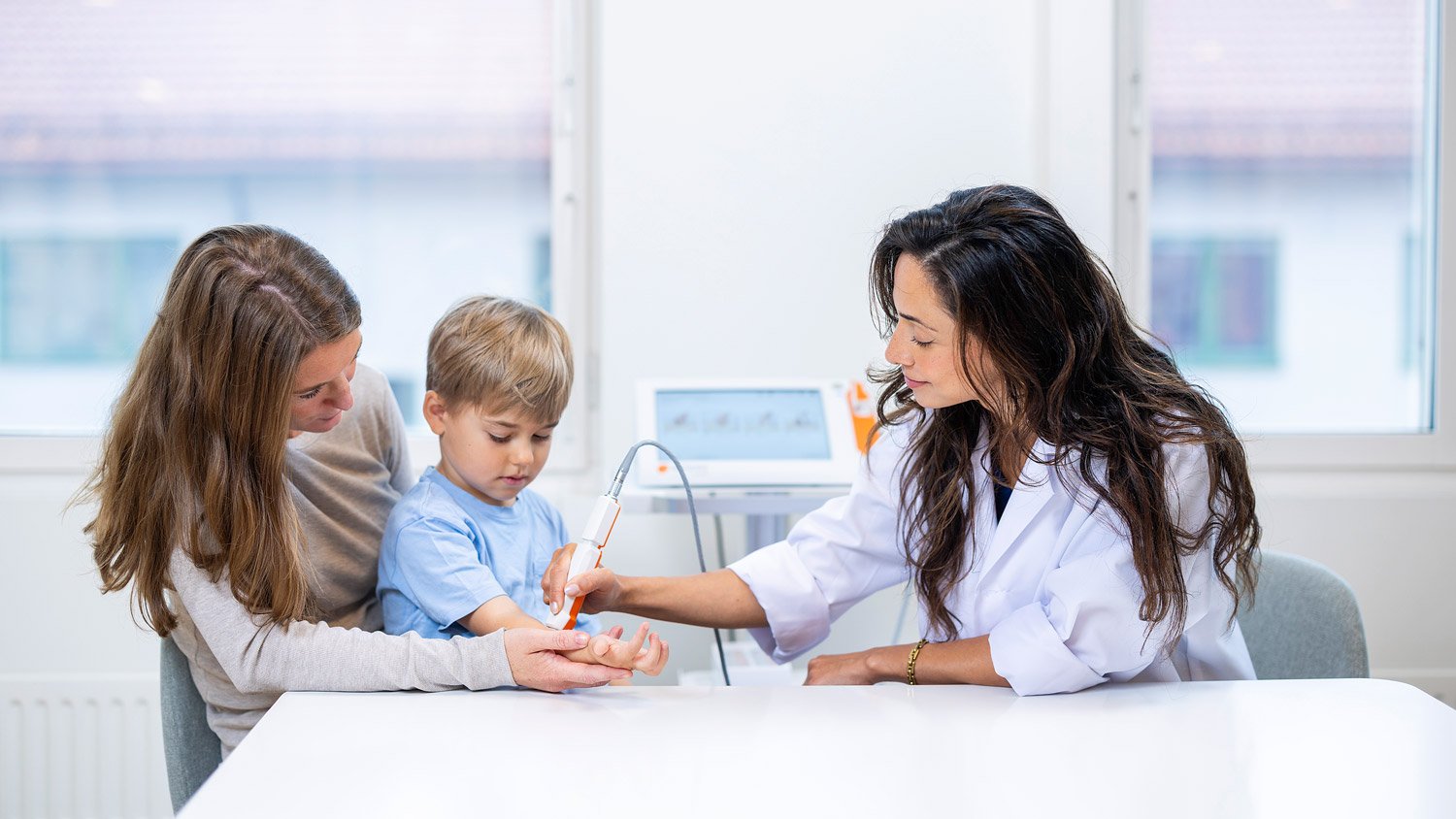
Nevisense measurements are painless and easy to repeat, making it ideal for both longitudinal studies and sensitive patient populations.
Get in touch with us
Have questions or want to learn more? Contact SciBase to discover how our solutions can support your work.